
The Castro’s Rainbow Resistance
A walk through the birthplace of the modern LGBTQ+ movement and vintage vinyl culture.
Navi Walkability Score
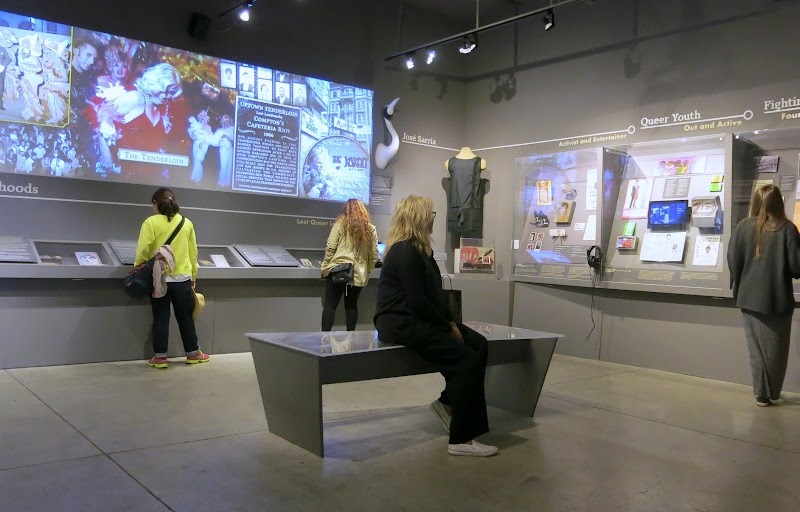
The Castro remains the beating heart of queer political and social history, a neighborhood that successfully pivoted from a sleepy Irish working-class enclave to the global epicenter of LGBTQ+ liberation The Castro – San Francis…. This route bypasses the generic tourist traps to focus on the grit and glamour of the resistance. Beginning at the GLBT Historical Society Museum, visitors encounter the sheer weight of archival history, including the first stand-alone museum space dedicated solely to these narratives in the United States
A Local Guide to History…. Seeing the original 1978 rainbow flags in person provides a necessary grounding before stepping back out onto the street
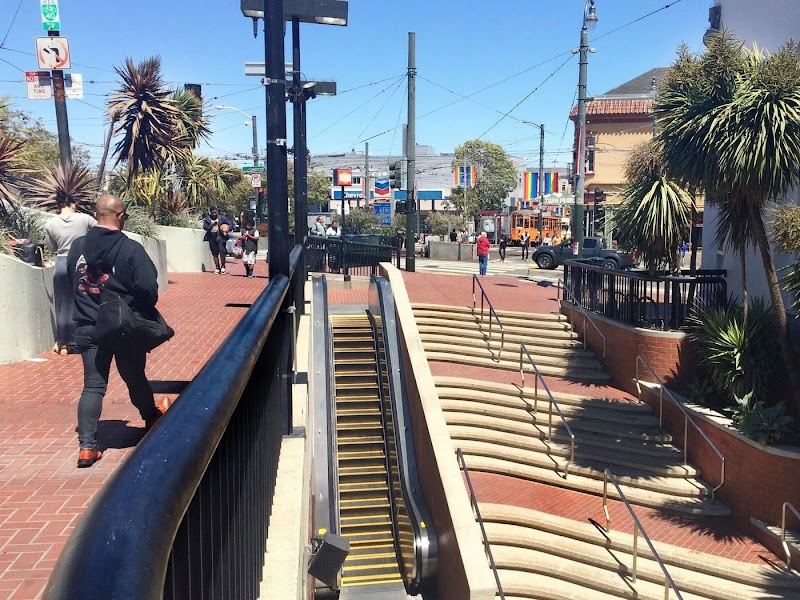
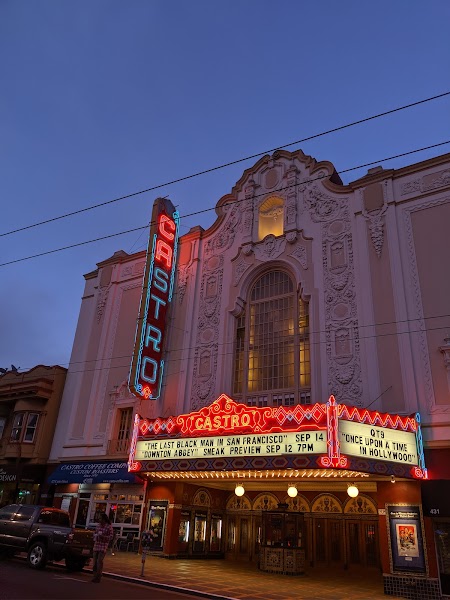
GLBT Historical Society…. From there, the walk scales the neighborhood’s ideological and literal summits, moving from the political significance of Harvey Milk Plaza—a site currently on the cusp of a total architectural overhaul—to the niche cultural preservation found in the racks of Vinyl Dreams. The logic is one of continuity: the same spirit of independence that drove the 1970s liberation movement fuels the curation of the neighborhood’s modern-day creative outposts. Ending at the Castro Theatre is a non-negotiable rite of passage. While the interior is often subject to lengthy debates regarding its multi-purpose renovation, the marquee remains the most photographed landmark in the district, standing as a sentinel over a neighborhood that has survived the AIDS crisis, gentrification, and political upheaval
Guide to Pride 2025: S.F…. Use this route to understand that the Castro is not just a party destination; it is a living archive that demands engagement with its past to appreciate its present.
What to Expect
Expect moderate physical exertion due to the Castro's notorious incline, particularly on the stretch toward Lower Haight for the record shop. The museum charges a modest admission fee and requires roughly an hour of focused attention. Parking in the Castro is notoriously difficult—rely on the F-Market streetcar or the MUNI Metro to Harvey Milk Plaza. Dress is San Francisco casual, but layers are essential since the neighborhood sits in a localized sun-belt that can chill quickly once the fog rolls over Twin Peaks.
Route Overview
4 stops · 1.6 miThe Route
GLBT Historical Society Museum

"Start your Castro journey by standing right in front of the original rainbow flag—it’s a powerful experience that gives meaning to the rest of the neighborhood."
Harvey Milk Plaza
"Don't just walk past the subway entrance; stop at the timeline photo boards for a quick, powerful dose of Harvey’s legacy before the upcoming renovation changes the space forever."
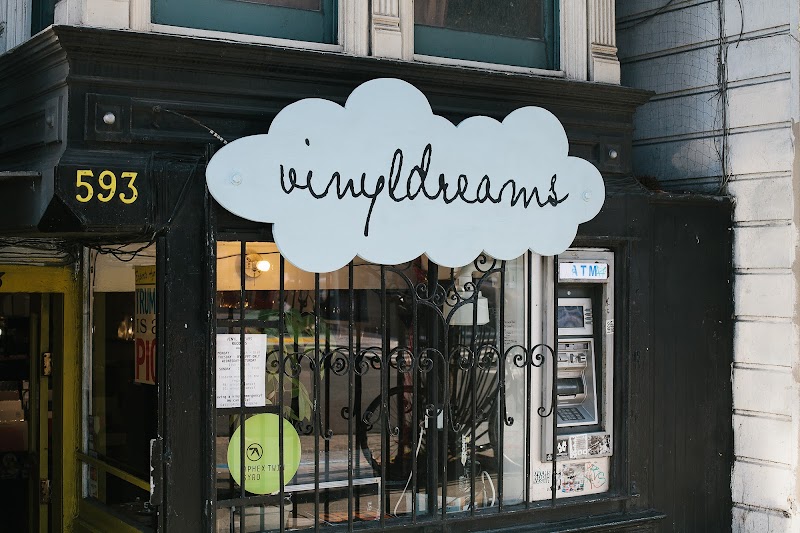
Vinyl Dreams
"Ask Mike Bee to help you dig—the electronic curation is legendary and the stock of techno and nu-disco rotates faster than your turntable."
The Castro Theatre
"Snag a photo of the iconic marquee, but hit the restroom elsewhere before the show—the lines are brutal and the vintage plumbing can't keep up with a sold-out crowd."
Insider Knowledge
Skip the generic souvenir shops on Castro Street and spend that time at Vinyl Dreams, where owner Mike Bee stocks imports that aren’t available anywhere else in the city; ask specifically for the local house music labels. If visiting the GLBT Historical Society Museum, check their calendar for rotating exhibits on the leather subculture or San Francisco's drag lineage, which provide deeper context than the permanent displays GLBT Historical Society…. For the Castro Theatre, the best view of the marquee and the hills is from the north side of 17th Street just before sunset.
Frequently Asked Questions
Sources & Further Reading
Guide to Pride 2025: S.F. and Bay Area parades, festivities
sfchronicle.com
Complete Guide to Bay Area Pride Events | SF Gay Men's ...
sfgmc.org
San Francisco Pride Guide 2025
sf.funcheap.com
The Castro – San Francisco's Colorful Heartbeat 🎶
facebook.com
A Local's Guide to LGBTQ+ Life in San Francisco
gayrealestate.com
GLBT Historical Society Museum (2026) - San Francisco
tripadvisor.com
A Local Guide to History Museums in the SF Bay Area
sfgate.com
Best San Francisco Museums for Art Lovers, History Buffs & ...
takewalks.com
GLBT Historical Society Museum San Francisco (2026)
airial.travel