
The Trio of Titans
A world-class architectural pilgrimage through three distinct eras of design.
Navi Walkability Score
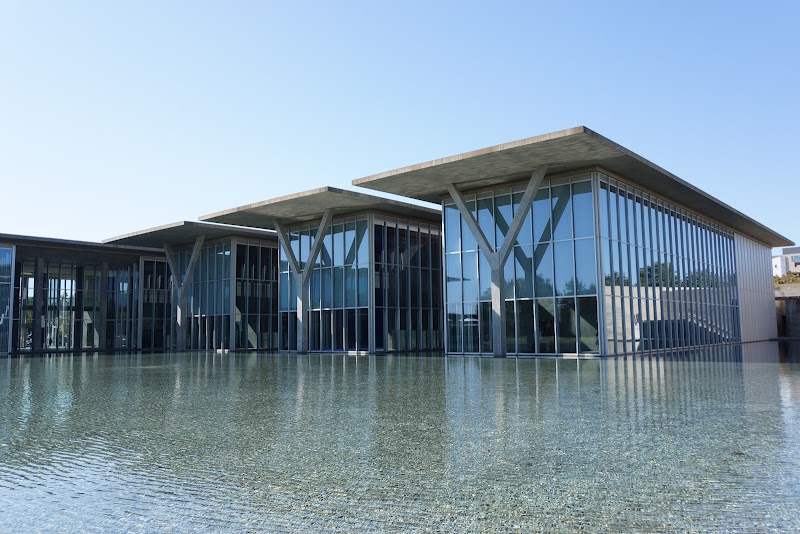
Fort Worth’s Cultural District is an anomaly of urban planning where three of the most significant architectural achievements of the 20th and 21st centuries exist within a ten-minute walk of one another. This route, the Trio of Titans, avoids the typical tourist traps of the Stockyards in favor of a clean-lined, high-design pilgrimage. The journey begins at the Modern Art Museum of Fort Worth, designed by Tadao Ando and home to one of the oldest art institutions in the state Modern Art Museum of For…. Its cantilevered concrete roofs and floor-to-ceiling glass walls appear to float atop a massive reflecting pond, creating a meditative environment for viewing post-WWII masterpieces
Modern Art Museum of For…. Early arrival is essential to secure a table at Café Modern; it offers a vantage point over the water that makes the architecture feel less like a building and more like a landscape intervention
Art Museums in Dallas Fo….
Moving south, the transition from Ando’s glass to Renzo Piano’s 2013 pavilion at the Kimbell Art Museum is a masterclass in architectural dialogue. While the original Louis Kahn building is a pillar of Brutalist perfection, Piano’s addition utilizes glass, concrete, and white oak to create a space that feels surprisingly intimate. The genius lies in the light filtration—the ceiling system manages Texas’s harsh sun to illuminate ancient marbles and modern canvases with a soft, consistent glow. This is arguably the most sophisticated block of real estate in the American West.
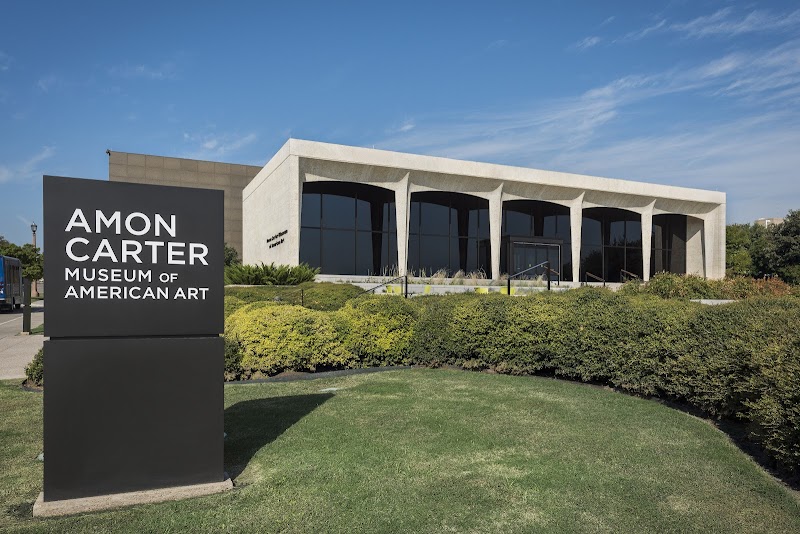
The route concludes at the Amon Carter Museum of American Art, perched on a slight rise that offers a sweeping view back toward the downtown skyline. Designed by Philip Johnson, the building serves as a temple for the American West's visual history. While many visitors flock to the blockbuster installations at the Modern, the Amon Carter’s collection—specifically the Remington and Russell galleries—provides the necessary historical backbone to Fort Worth’s 'Cowtown' identity. It is the definitive ending for a route that tracks the evolution of Texas from a frontier outpost to a global cultural hub.
What to Expect
Expect a quiet, contemplative atmosphere with moderate walking across flat, paved museum grounds. Parking is generally ample in the underground Kimbell garage or the Modern's surface lot, though weekends can see these fill by noon. Admission to the Kimbell’s permanent collection and the Amon Carter is free, while the Modern charges a fee except on Fridays. There is no formal dress code, but the environment leans toward 'smart casual' given the upscale museum crowds.
Route Overview
3 stops · 1.2 miThe Route
Modern Art Museum of Fort Worth

"Go on a Friday for free admission and make sure to grab a table at the cafe overlooking the reflecting pond—it's the best view in the Cultural District."
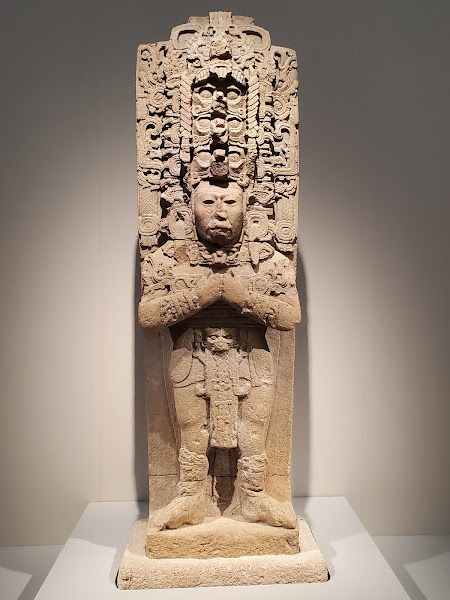
Renzo Piano Pavilion
"Don't just look at the art; stand between the concrete and oak to feel how Piano’s natural light hits those ancient marbles. It’s the ultimate architectural 'treat' that makes the Kahn building next door even better."
Amon Carter Museum of American Art
"The ultimate finale for Western art fans; skip the crowds at the bigger names and head straight for the Remington collection."
Insider Knowledge
Time the visit for a Friday to take advantage of free admission at the Modern Modern Art Museum of For…. For the best experience at the Kimbell, skip the main foyer and head directly to the corridor between the Piano and Kahn buildings; the contrast between the silver-grey concrete and the warmth of the oak flooring is more striking than any particular painting on the wall. At the Amon Carter, skip the large central galleries initially and head for the smaller photography suites—the museum has one of the most significant photographic archives in the country, often overlooked by those distracted by the larger Remington bronzes.
Frequently Asked Questions
Sources & Further Reading
Titans Head To Nationally-Ranked Michigan State
detroittitans.com
Ernie Moran (@senormoran817)
instagram.com
Art Museums in Dallas Fort Worth: A Deep Dive into the ...
wonderfulmuseums.com
O-Zone: Memory gap
jaguars.com
FWISD Watchdog
facebook.com
Modern Art Museum of Fort Worth
tshaonline.org
Modern Art Museum of Fort Worth (2026)
tripadvisor.com
Modern Art Museum of Fort Worth
airial.travel